Global Warming and Its Impact on Pakistan
by Muhammad Shahjahan
Global warming has become one of the most pressing challenges of the 21st century. Defined as the long-term rise in the average temperature of the Earth’s climate system, global warming is largely driven by human activities such as burning fossil fuels, deforestation, and industrial processes that release greenhouse gases (GHGs) into the atmosphere. This phenomenon has far-reaching consequences for ecosystems, economies, and human societies across the globe.
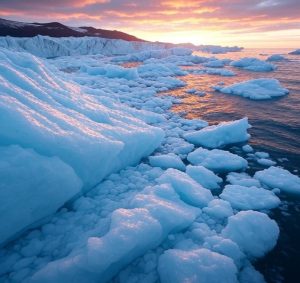
While global warming is a worldwide concern, some countries are more vulnerable than others due to geographical location, socio-economic conditions, and governance capacity. Pakistan is one such country. Despite contributing less than 1% to global greenhouse gas emissions, Pakistan consistently ranks among the top 10 countries most affected by climate change in the Global Climate Risk Index. From floods and heatwaves to melting glaciers and agricultural stress, the impacts of global warming are being felt strongly in Pakistan, posing severe threats to its economy, environment, and human well-being.
This article explores global warming as a phenomenon and its specific impacts on Pakistan, examining environmental, economic, and social dimensions while also highlighting potential strategies for adaptation and mitigation.
Understanding Global Warming
Global warming is primarily caused by the greenhouse effect. GHGs such as carbon dioxide (CO₂), methane (CH₄), and nitrous oxide (N₂O) trap heat in the Earth’s atmosphere, preventing it from escaping into space. While the greenhouse effect is a natural process that keeps the planet habitable, excessive human-induced emissions have intensified it, leading to rising global temperatures.
Since the pre-industrial era (1850s), global average temperatures have risen by more than 1.1°C, according to the Intergovernmental Panel on Climate Change (IPCC). Scientists warn that if warming exceeds 1.5–2°C, the world will experience catastrophic changes, including rising sea levels, stronger storms, prolonged droughts, and disruptions in food and water supplies.
Pakistan’s Vulnerability to Global Warming
Pakistan’s geography and socio-economic structure make it highly vulnerable to the adverse impacts of global warming:
- Geographical Location: Pakistan is located in a region with diverse landscapes ranging from glaciers in the north to deserts in the south. This variation makes the country highly sensitive to climatic fluctuations.
- Dependence on Agriculture: Agriculture employs over 35% of the population and contributes about 20% to the GDP. However, it is heavily dependent on predictable rainfall patterns and river water from the Himalayas, both of which are threatened by global warming.
- Rapid Urbanization: Cities such as Karachi and Lahore face urban heat island effects, poor air quality, and inadequate infrastructure, amplifying the risks posed by rising temperatures.
- Limited Resources: Pakistan’s limited financial and institutional capacity restricts its ability to adapt to climate change compared to wealthier nations.
Impacts of Global Warming on Pakistan
- Melting Glaciers and Water Security
The northern regions of Pakistan are home to over 7,000 glaciers, making it one of the largest reserves of freshwater outside the polar regions. These glaciers feed the Indus River system, which sustains agriculture, energy, and drinking water needs for millions. However, global warming has accelerated glacial melt, resulting in:
- Glacial Lake Outburst Floods (GLOFs): Sudden releases of water from melting glaciers have already caused destruction in Gilgit-Baltistan and Khyber Pakhtunkhwa.
- Long-Term Water Scarcity: Initially, melting increases river flows, but in the long run, as glaciers recede, water availability will decrease, threatening Pakistan’s water security.
- Extreme Weather Events
Pakistan has experienced a surge in extreme weather patterns:
- Floods: The 2010 super floods submerged one-fifth of the country, displacing 20 million people. More recently, the 2022 floods killed over 1,700 people and affected more than 33 million.
- Heatwaves: Karachi and southern Sindh have suffered deadly heatwaves, with temperatures crossing 50°C in some regions.
- Droughts: Balochistan and parts of Sindh frequently experience drought-like conditions, leading to crop failures and water shortages.
- Agricultural Stress and Food Insecurity
Agriculture is highly climate-sensitive. Changes in rainfall patterns, rising temperatures, and water scarcity have disrupted crop cycles. Wheat, rice, and cotton—Pakistan’s staple and cash crops—are particularly at risk. The result is lower yields, higher food prices, and increased food insecurity.
Livestock is also affected by rising temperatures, reduced fodder availability, and the spread of vector-borne diseases. This threatens rural livelihoods, as millions depend directly on agriculture and livestock for income.
- Human Health Risks
Global warming has direct and indirect health consequences:
- Heat Stress: Rising temperatures cause dehydration, heatstroke, and cardiovascular issues, particularly in urban centers.
- Vector-Borne Diseases: Changing climates have expanded the range of mosquitoes carrying malaria and dengue.
- Water-Borne Diseases: Flooding and water contamination increase risks of cholera, diarrhea, and other infections.
The healthcare system in Pakistan, already under strain, struggles to cope with these added pressures.
- Energy Challenges
Pakistan’s energy demand rises sharply in summer due to air conditioning and cooling needs. Rising temperatures exacerbate demand-supply gaps, leading to blackouts. Moreover, hydropower, which accounts for a significant portion of electricity, is threatened by erratic river flows due to glacial melt and unpredictable rainfall.
- Coastal Vulnerability and Sea-Level Rise
Karachi, Pakistan’s financial hub with a population of over 20 million, lies along the Arabian Sea. Rising sea levels, storm surges, and saltwater intrusion threaten coastal communities, infrastructure, and agriculture. The Indus Delta, one of the world’s largest, is shrinking due to reduced freshwater flows and rising sea levels, jeopardizing biodiversity and fisheries.
- Social and Economic Impacts
Global warming worsens poverty, inequality, and displacement. Climate-induced migration is already visible, with thousands moving from rural to urban areas after floods or droughts. The economic cost of climate disasters is staggering—Pakistan lost an estimated $30 billion in damages during the 2022 floods alone.
Government Response and Challenges
The Government of Pakistan has acknowledged climate change as a critical issue. Key initiatives include:
- National Climate Change Policy: Outlines strategies for adaptation and mitigation.
- Billion Tree Tsunami and 10 Billion Tree Tsunami: Large-scale afforestation projects to combat deforestation and absorb carbon.
- Clean Green Pakistan Movement: Promotes sustainable practices, sanitation, and environmental awareness.
- Renewable Energy Push: Targets to increase the share of solar and wind energy in the national grid.
Despite these efforts, Pakistan faces significant hurdles:
- Lack of financial resources and reliance on international aid.
- Weak institutional capacity and governance.
- Limited public awareness about climate risks.
- Rapid population growth, which places additional strain on resources.
Adaptation and Mitigation Strategies
Adaptation (Coping with Impacts)
- Improved Water Management: Building dams, water reservoirs, and efficient irrigation systems.
- Climate-Resilient Agriculture: Developing drought-resistant crop varieties, better storage, and early warning systems.
- Urban Planning: Expanding green spaces, improving drainage systems, and regulating construction to withstand floods and heatwaves.
- Health Infrastructure: Strengthening healthcare systems to handle climate-related diseases and emergencies.
- Disaster Preparedness: Investing in early warning systems, community awareness, and rapid response mechanisms.
Mitigation (Reducing Causes)
- Transition to Renewable Energy: Expanding solar, wind, and hydropower while reducing reliance on coal and oil.
- Afforestation: Expanding forests to absorb CO₂ and reduce soil erosion.
- Public Transport and Electric Vehicles: Reducing emissions from traffic.
- Waste Management: Promoting recycling, reducing plastic, and curbing methane emissions from landfills.
Role of International Community
Given that Pakistan contributes little to global emissions but faces disproportionate risks, international cooperation is crucial. Pakistan needs:
- Climate Finance: Access to funds pledged under global frameworks like the Green Climate Fund.
- Technology Transfer: Assistance in renewable energy, water conservation, and resilient agriculture.
- Global Advocacy: Platforms like COP27, where Pakistan played a leading role, are vital for highlighting the principle of “climate justice.”
Conclusion
Global warming is not just an environmental issue; it is a human, economic, and existential crisis for Pakistan. The country faces a multi-faceted challenge—melting glaciers, floods, droughts, food insecurity, health crises, and economic losses. Despite contributing minimally to global emissions, Pakistan stands on the frontline of climate change impacts.
Addressing these challenges requires a dual approach: adaptation to current realities and mitigation to reduce future risks. While Pakistan must strengthen its internal capacity through better governance, sustainable development, and awareness, the global community must also step up. Climate change knows no borders, and only through shared responsibility and collective action can countries like Pakistan hope to safeguard their future.
In sum, the urgency of global warming is undeniable, and its impact on Pakistan serves as a stark reminder that the time to act is now.
About the Author